Levitra (vardenafil): evidence-based review in plain language
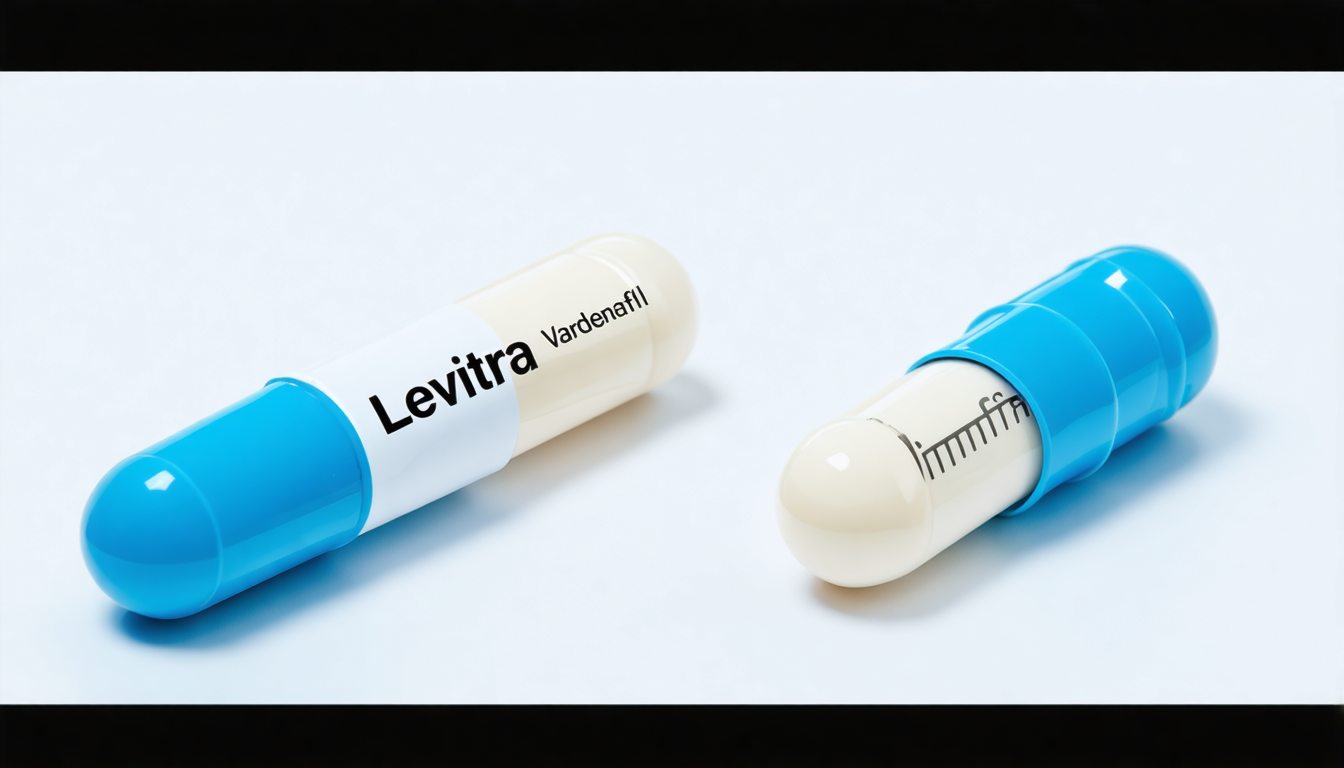
Levitra (vardenafil) — evidence-based review. This article is for informational purposes only and does not replace medical advice.
Levitra is a brand name for vardenafil, a prescription medicine used to treat erectile dysfunction (ED). Below is a clear, evidence-based overview of what is known about its effectiveness and safety, what remains uncertain, and how to approach treatment decisions.
Quick summary
- Levitra (vardenafil) belongs to the PDE5 inhibitor class, the same group as sildenafil (Viagra) and tadalafil (Cialis).
- It improves erections in many men with ED by increasing blood flow to the penis during sexual stimulation.
- It usually starts working within 30–60 minutes and lasts several hours.
- Common side effects include headache, flushing, nasal congestion, and indigestion.
- It must not be used with nitrates (often prescribed for chest pain) due to risk of severe low blood pressure.
What is known
1. How Levitra works
Vardenafil blocks an enzyme called phosphodiesterase type 5 (PDE5). This enzyme normally breaks down a substance (cGMP) that relaxes smooth muscle in the penis. By blocking PDE5, vardenafil helps maintain higher levels of cGMP, allowing blood vessels to stay relaxed longer and improving blood flow during sexual arousal.
Important: Levitra does not cause an automatic erection. Sexual stimulation is still required.
2. Effectiveness for erectile dysfunction
Multiple randomized controlled trials have shown that vardenafil improves:
- The ability to achieve an erection sufficient for intercourse
- The ability to maintain an erection
- Overall sexual satisfaction scores
Clinical guidelines from organizations such as the American Urological Association (AUA) and the European Association of Urology (EAU) consider PDE5 inhibitors, including vardenafil, first-line therapy for many men with ED.
Effectiveness has been demonstrated in men with:
- Diabetes
- High blood pressure
- High cholesterol
- After prostate surgery (with variable results)
3. Onset and duration
Levitra is typically taken before anticipated sexual activity. According to the official prescribing information approved by the U.S. Food and Drug Administration (FDA), it is taken as needed, with a maximum recommended frequency of once per day. Full prescribing details are available from the FDA:
FDA drug label database.
In most studies, onset occurs within about 30–60 minutes. The duration of effect is generally up to 4–5 hours, although this varies by individual.
4. Safety profile and common side effects
The most frequently reported side effects are:
- Headache
- Facial flushing
- Nasal congestion
- Indigestion (dyspepsia)
- Dizziness
These are usually mild to moderate and temporary. Like other PDE5 inhibitors, vardenafil can lower blood pressure slightly.
5. Serious risks and contraindications
Levitra should not be used with:
- Nitrates (e.g., nitroglycerin, isosorbide)
- Some nitric oxide donors
The combination can cause a dangerous drop in blood pressure. Caution is also required in people with:
- Recent heart attack or stroke
- Unstable angina
- Severe heart failure
- Significant arrhythmias
Rare but serious adverse effects include:
- Sudden vision loss (non-arteritic anterior ischemic optic neuropathy, very rare)
- Sudden hearing loss
- Priapism (erection lasting more than 4 hours — a medical emergency)
What is unclear / where evidence is limited
- Long-term comparative superiority: While vardenafil is effective, evidence does not clearly show it is consistently superior to sildenafil or tadalafil. Individual response varies.
- Use in complex cardiac patients: Data are more limited in patients with severe cardiovascular disease. Decisions require individualized medical evaluation.
- Psychological ED: In cases where ED is primarily psychological, medication may help with performance anxiety, but addressing underlying mental health factors is often necessary.
- Combination therapies: Research on combining PDE5 inhibitors with other ED treatments (outside specialist settings) is limited.
Overview of approaches
Management of erectile dysfunction typically includes:
- Lifestyle modification: weight loss, physical activity, smoking cessation, limiting alcohol.
- Medication: PDE5 inhibitors such as vardenafil, sildenafil, tadalafil, avanafil.
- Psychosexual therapy: especially when stress, anxiety, or relationship factors contribute.
- Vacuum erection devices, injections, or implants: usually considered when oral medications are ineffective or contraindicated.
Typical dosing information for Levitra can be found in official regulatory sources such as the FDA-approved prescribing information (see link above). Treatment choice and dose adjustments must be determined by a licensed healthcare professional.
If you want to understand how ED medications compare in general, see our overview in Erectile Dysfunction Treatment Options and a broader discussion in Men’s Sexual Health Guide.
Evidence summary table
| Statement | Confidence level | Why |
|---|---|---|
| Levitra improves erectile function in many men with ED. | High | Supported by multiple randomized controlled trials and international guidelines. |
| It works only with sexual stimulation. | High | Consistent pharmacologic mechanism and clinical trial data. |
| It is superior to all other PDE5 inhibitors. | Low | No strong evidence of universal superiority; head-to-head results vary. |
| It is safe for all men with heart disease. | Low | Clear contraindications exist; requires individualized cardiovascular assessment. |
| Lifestyle changes can improve ED. | Medium to high | Supported by observational studies and guideline recommendations, though effect size varies. |
Practical recommendations
When to see a doctor
- ED persists for more than a few weeks.
- You have diabetes, heart disease, or high blood pressure.
- You experience chest pain, shortness of breath, or severe dizziness.
- An erection lasts longer than 4 hours (seek emergency care).
How to prepare for a consultation
- List all medications and supplements you take.
- Be ready to discuss cardiovascular history.
- Note when symptoms started and whether they are consistent or situational.
- Consider lifestyle factors: stress, sleep, alcohol use.
General safety measures
- Never combine Levitra with nitrates.
- Avoid buying ED medication from unverified online sources.
- Do not exceed prescribed frequency.
- Report vision or hearing changes immediately.
For broader context on cardiovascular safety and sexual activity, you may also read our article on Sex and Heart Health. If ED is affecting emotional wellbeing, see Mental Health and Sexual Function.
Sources
- U.S. Food and Drug Administration (FDA). Vardenafil (Levitra) prescribing information: https://www.accessdata.fda.gov/
- American Urological Association (AUA). Erectile Dysfunction Guideline.
- European Association of Urology (EAU). Guidelines on Sexual and Reproductive Health.
- National Institute of Diabetes and Digestive and Kidney Diseases (NIDDK). Erectile Dysfunction overview.
- Mayo Clinic. Erectile dysfunction — symptoms and causes.